 Most booked





 Lowest price


 Top rated







What operators ask you to wear
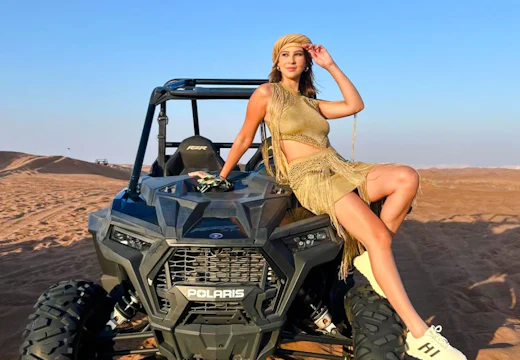
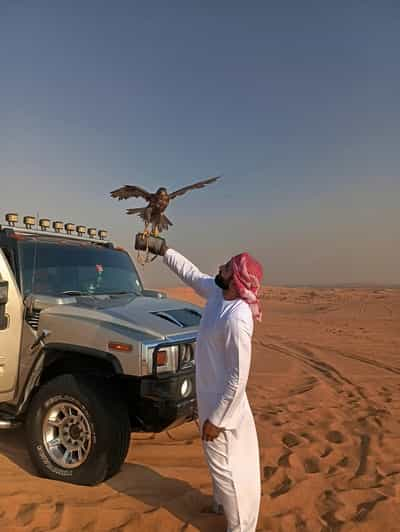
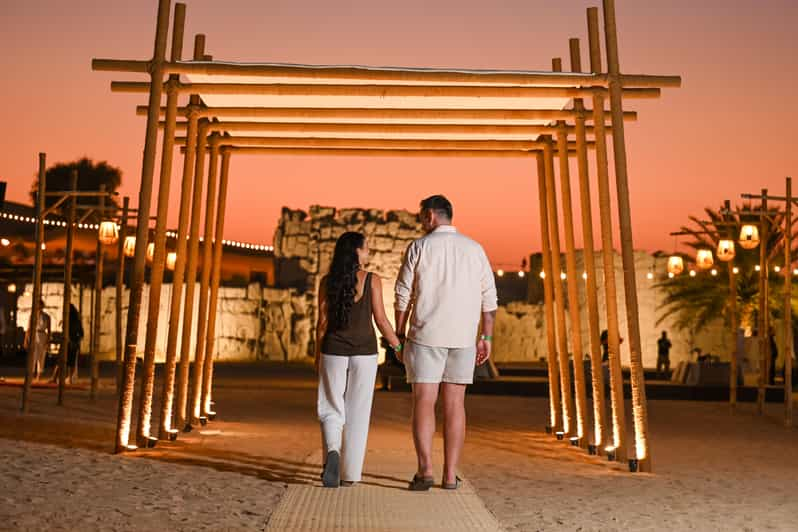
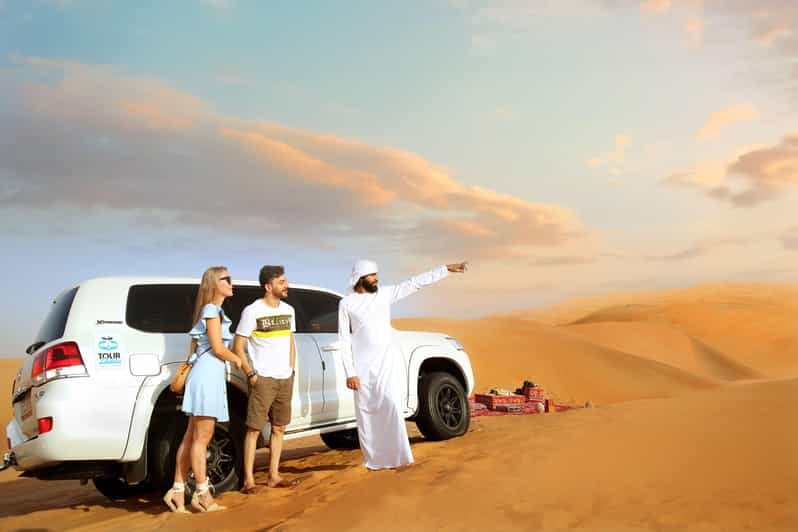
The listings and operator pages we read agree on the basics: light, breathable clothes, closed and comfortable shoes, sunglasses, a hat and sunscreen, plus a jacket for the evening. None of the listings we checked sets a formal dress code. Large bags and luggage are not allowed in the 4x4 on several trips, so pack a small backpack. Two small additions help on a ≈ 6-hour evening trip: wet wipes or a small towel for sandy hands before the buffet, and a power bank for your phone.
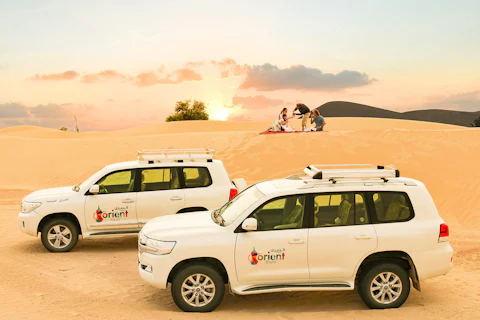
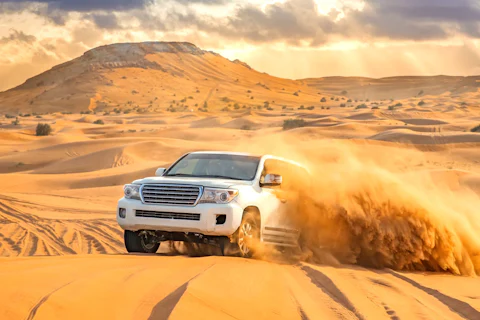
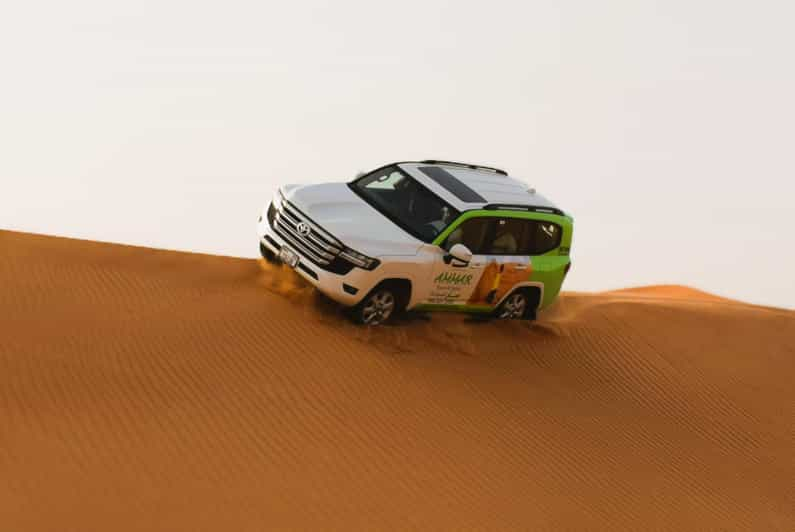
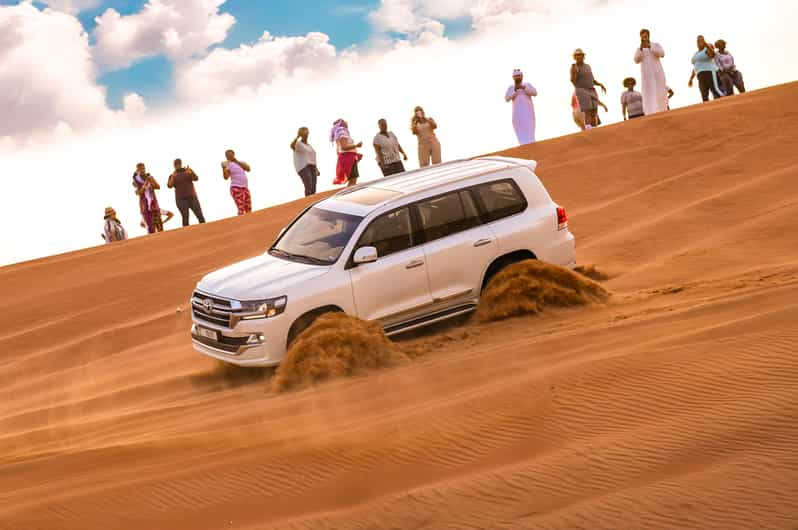
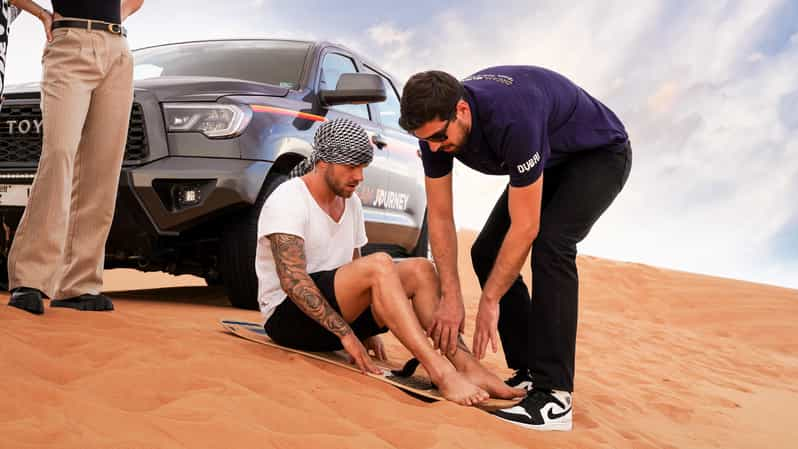
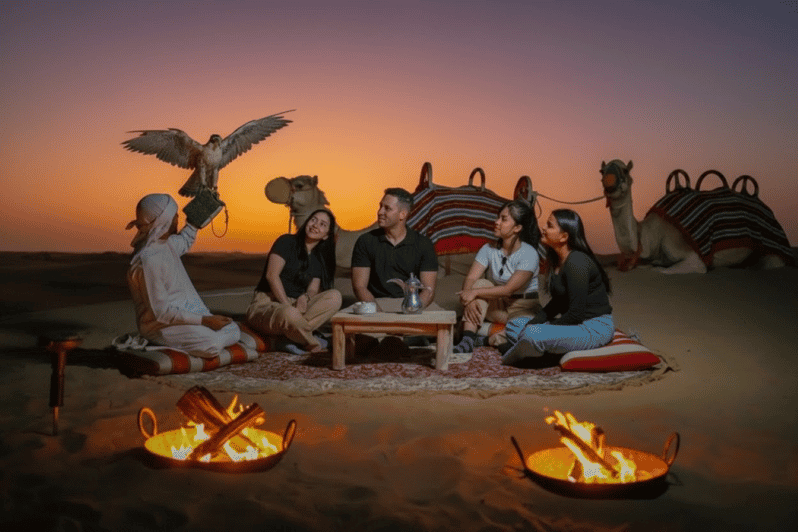
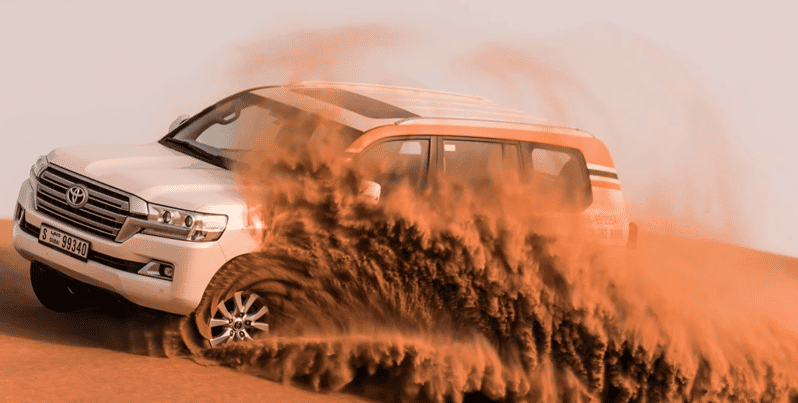
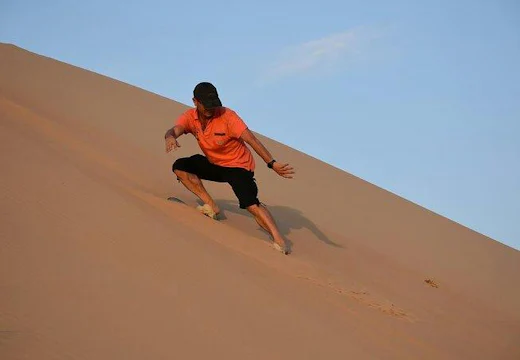
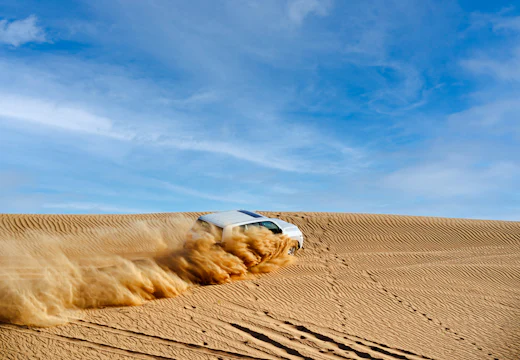
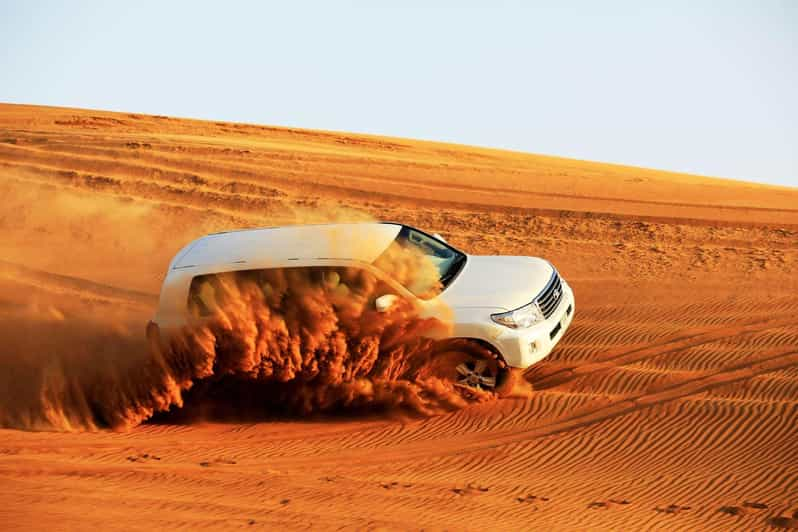
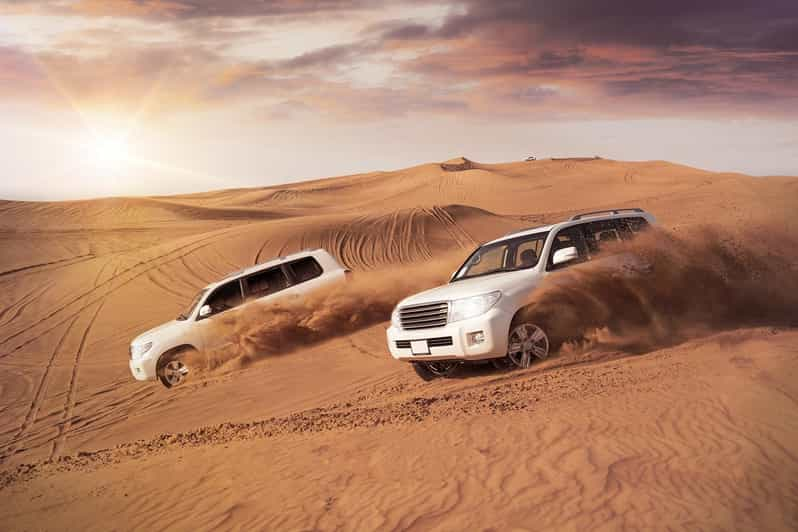
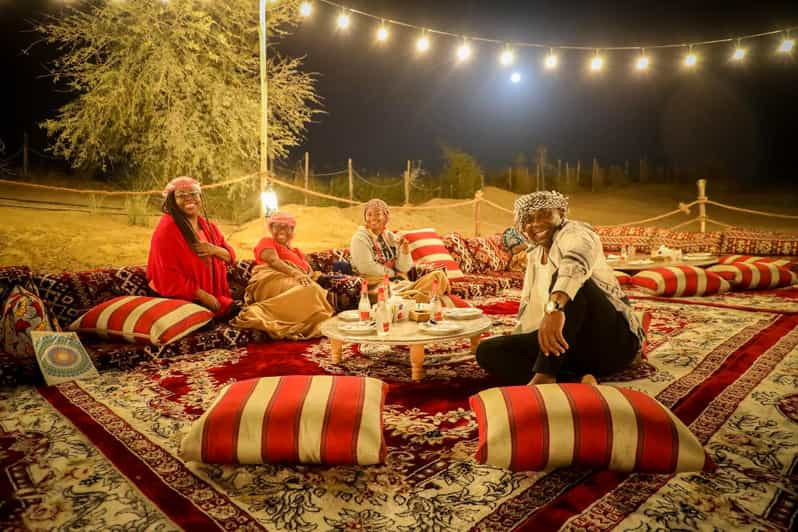
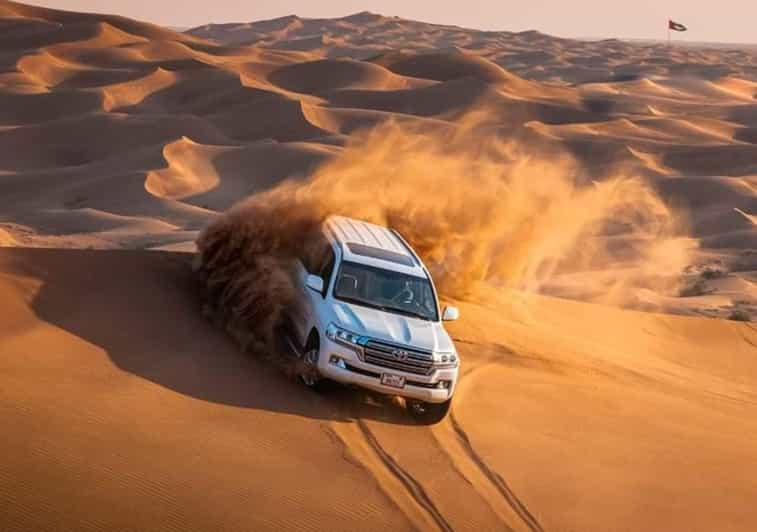
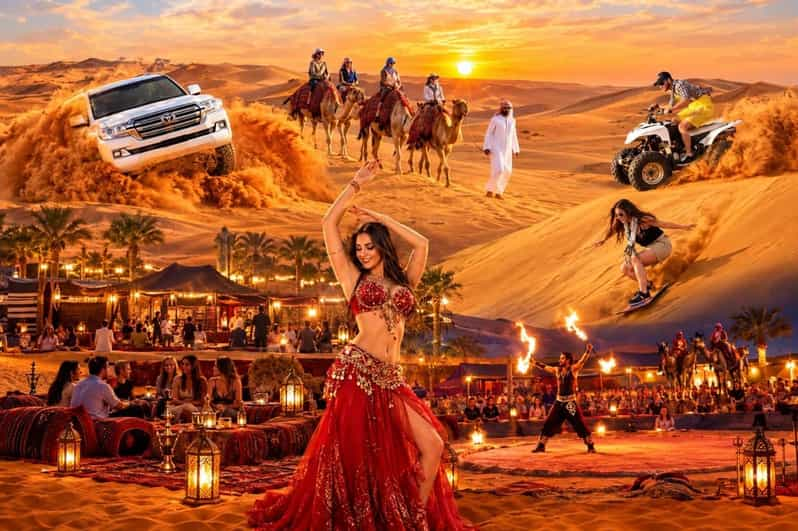
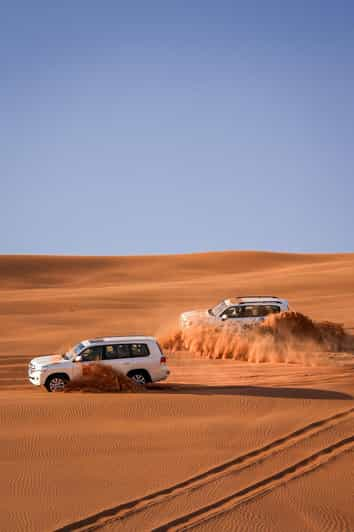
Think about what each trip actually involves. On an evening safari you sit in a 4x4 that tips and slides on the dunes, slide down a dune on a board, ride a camel and then sit on cushions at a low table. Clothes that are loose, opaque and long enough for all of that are the right choice.
Packing table by season
| Item | Nov–Mar | Apr–May, Oct | Jun–Sep |
|---|---|---|---|
| Light long trousers or long skirt | Yes | Yes | Yes |
| T-shirt or shirt that covers the shoulders | Yes | Yes | Yes, loose and light |
| Fleece, sweater or light jacket | Yes, for after sunset | For the night only | Usually not |
| Warm jacket and hat for dawn | Yes, for balloon, sunrise and overnight | Light layer | No |
| Closed shoes (trainers) | Yes | Yes | Yes, sand is very hot by day |
| Sunglasses, cap or wide hat | Yes | Yes | Yes |
| Sunscreen | Yes | Yes | Yes |
| Light scarf or buff | For sand and wind | For sand and wind | For sun and sand |
| Water bottle | Usually provided | Usually provided | Drink often |
The coldest moments are just before sunrise and late in the evening. Heritage operators ask for something warm from November to March, and balloon operators ask for it before sunrise. Some overnight rooms have neither air-conditioning nor heating, so sleep layers matter on an overnight camp. Temperatures by month are on best time and weather.
Men and women: modesty at the camp
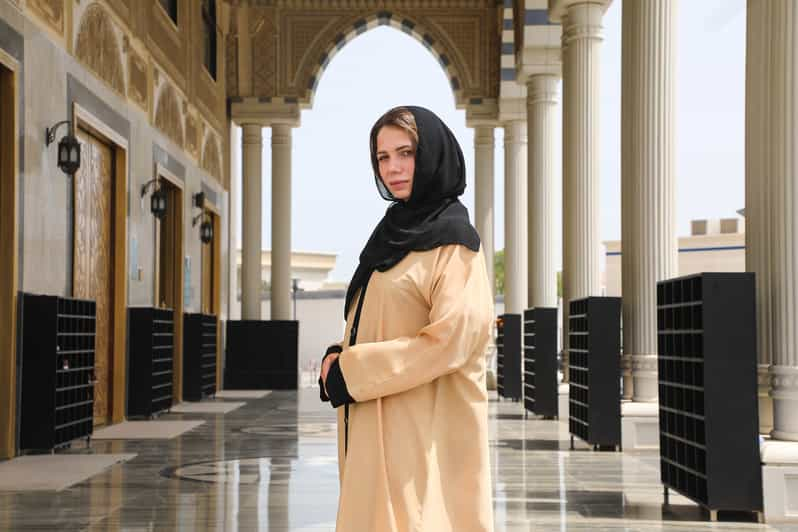
The UAE government asks visitors to dress modestly in public places. Desert camps are relaxed tourist venues, but you share them with families, staff and other guests from many countries. A simple rule works for everyone: cover shoulders and knees for the camp part of the evening, and avoid see-through or very tight clothes.
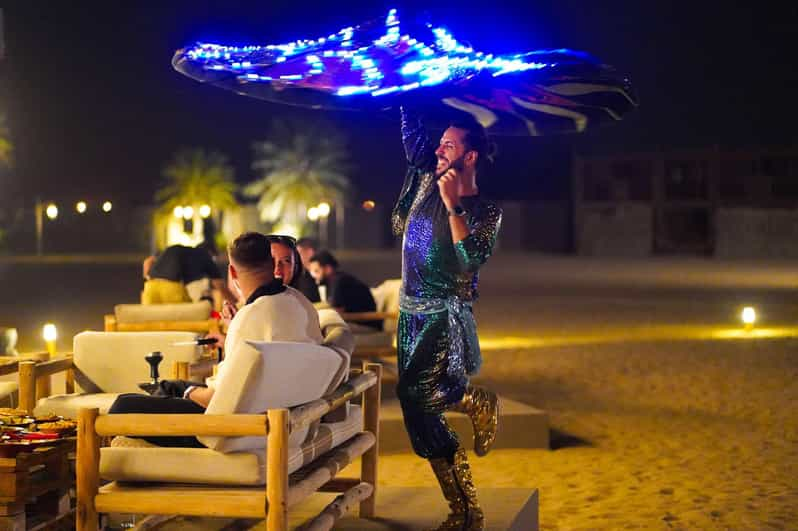
For women, loose trousers, a maxi skirt or a midi dress with leggings is practical on a camel and on floor cushions. A light scarf helps against sand and the sun; no headscarf is required. Some heritage trips hand out a headscarf on arrival. For men, light trousers or knee-length shorts and a T-shirt are fine; swimwear and bare chests are not for the camp. During Ramadan, dress more conservatively in public.
Shoes, sand and the dune drive
Sand gets into shoes, pockets and camera bags. Trainers or light walking shoes you can empty quickly are the best choice; operators recommend closed-toe shoes, and the sand is very hot by day in summer. Keep your phone in a zipped pocket for the dune bashing, and protect your camera from sand when the wind picks up. Do not eat for 2–3 hours before dune bashing; that matters more than any outfit.
Quad, buggy, camel and balloon
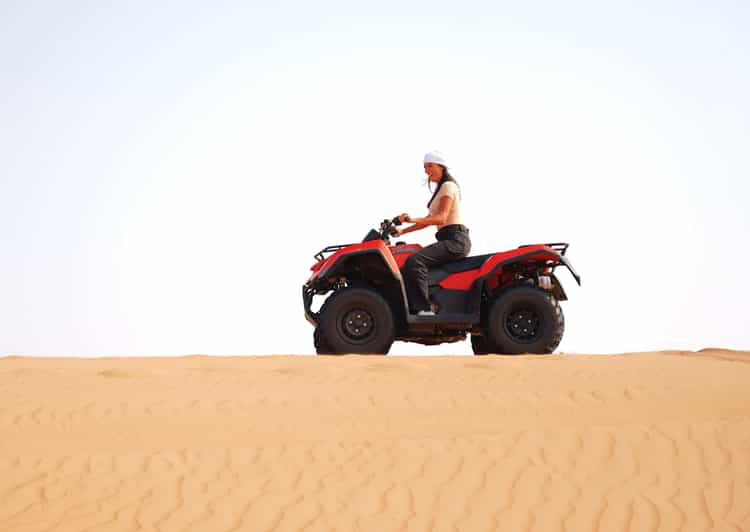
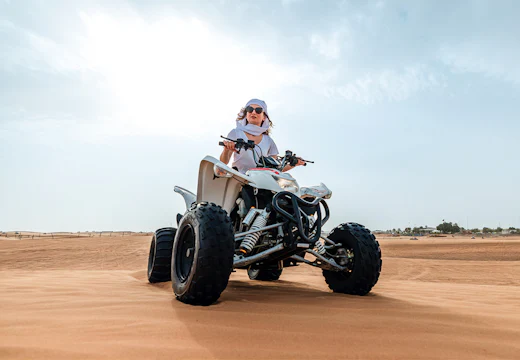
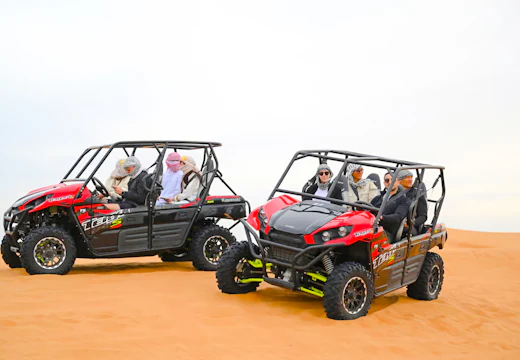
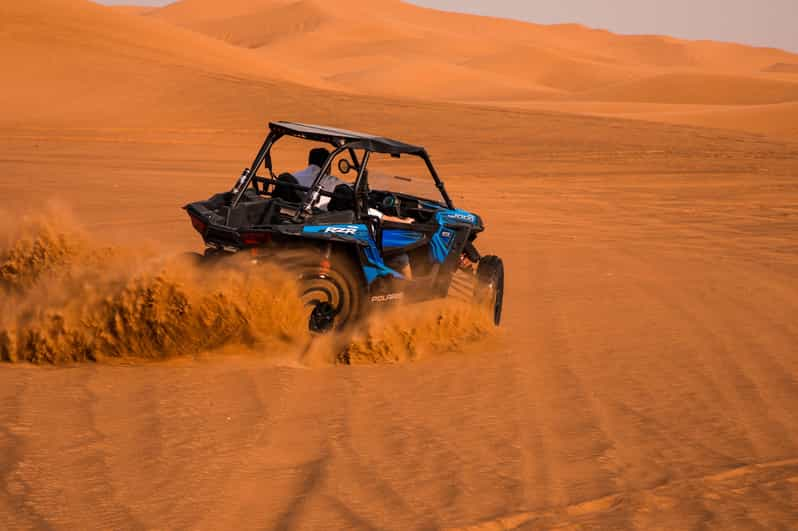
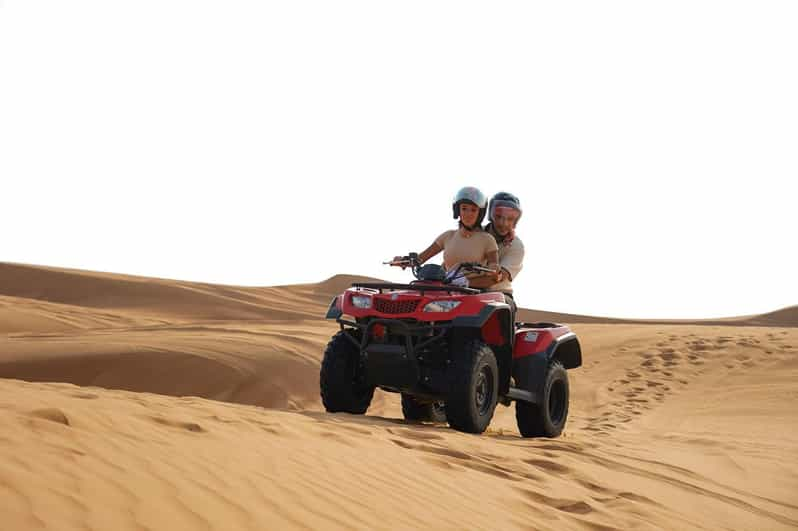
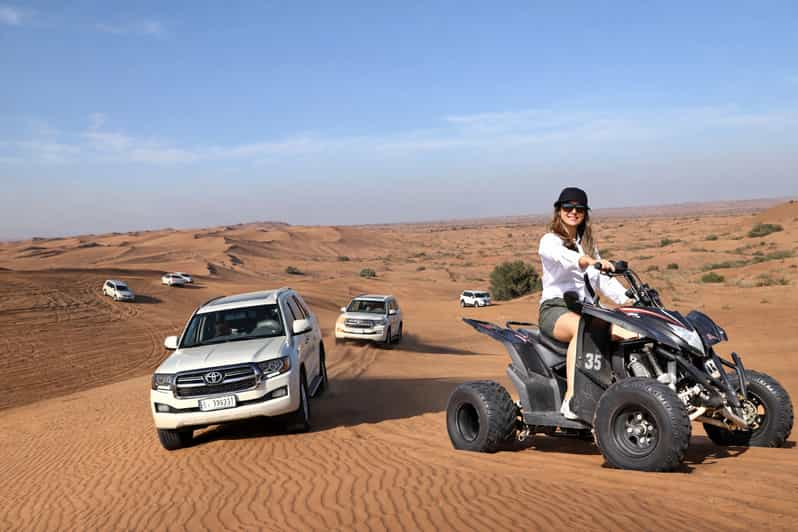
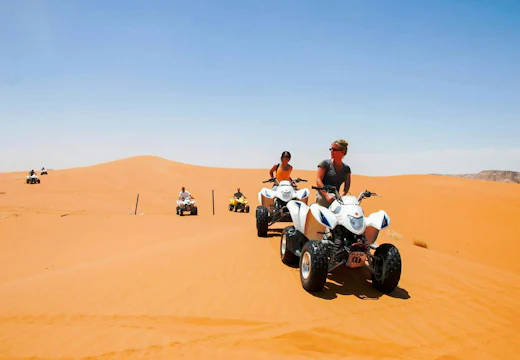
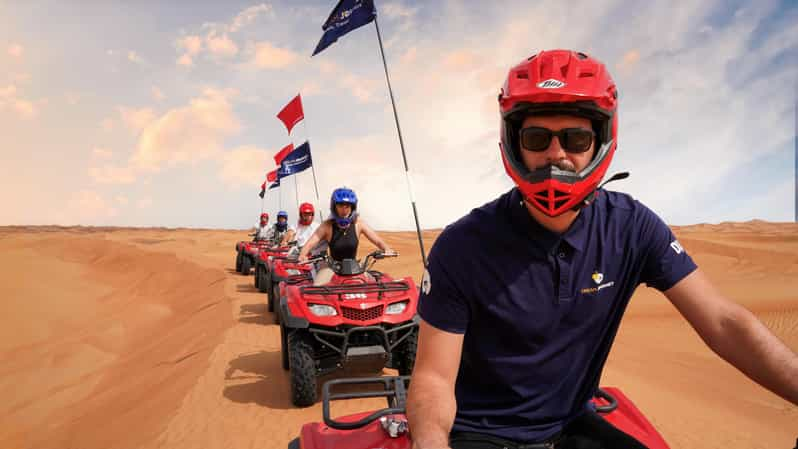
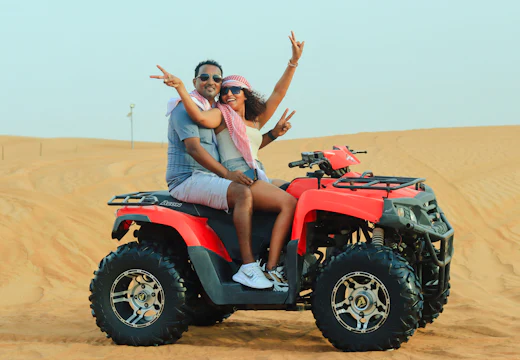
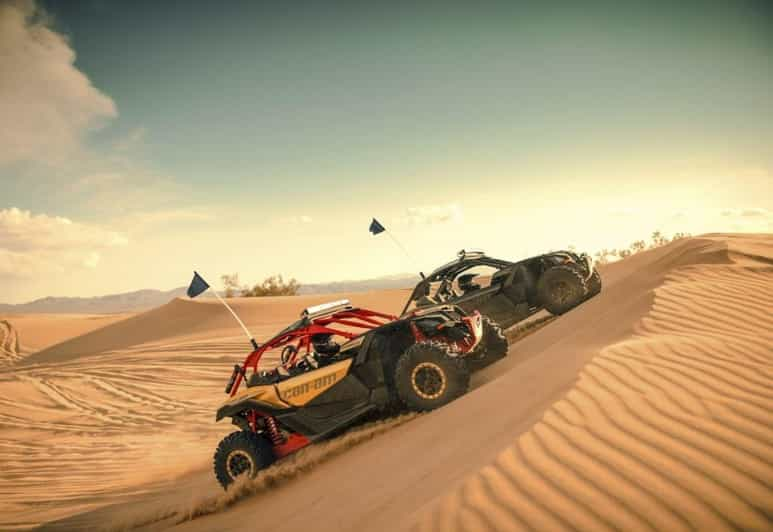
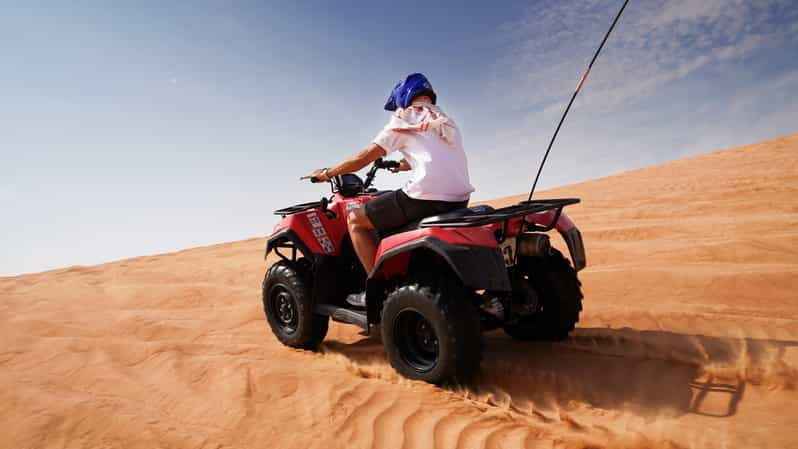
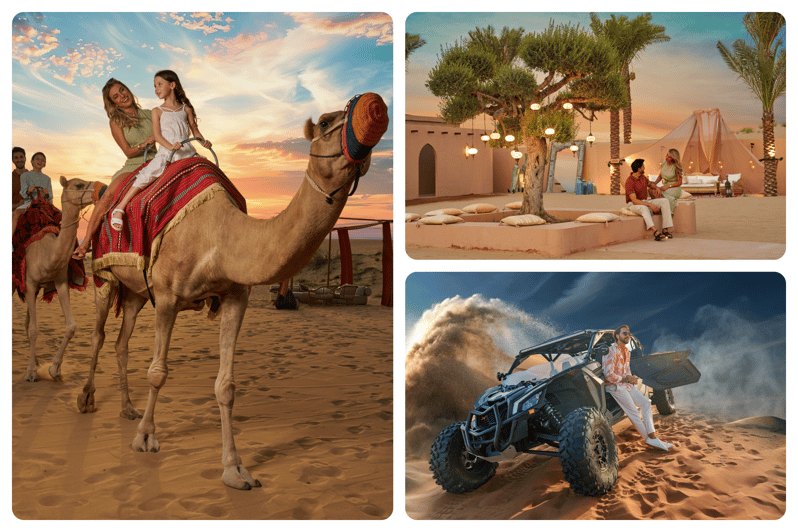
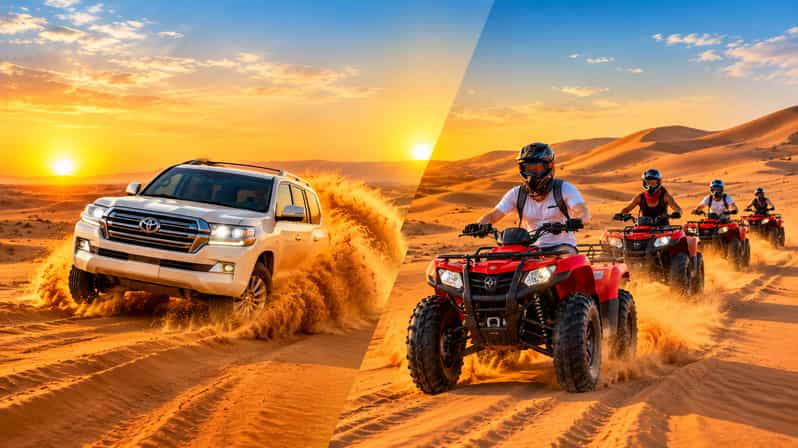
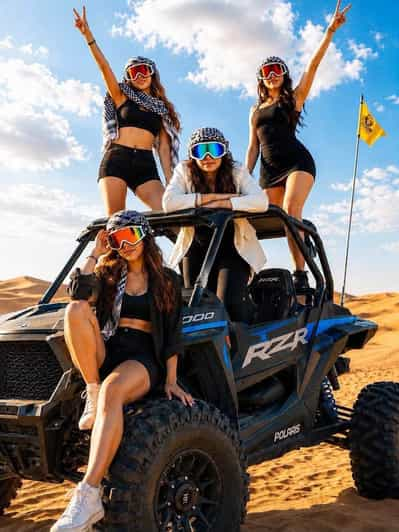
- Quad bike and dune buggy: closed shoes are a must. Self-drive buggy sessions provide a helmet, goggles and gloves; clothes will get dusty.
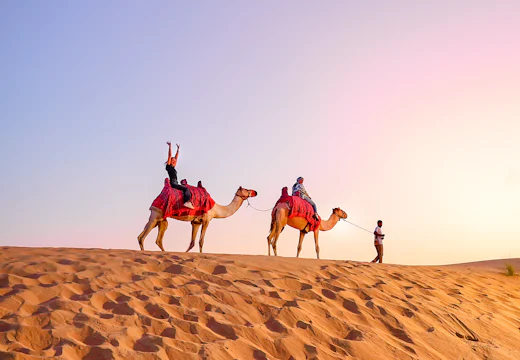
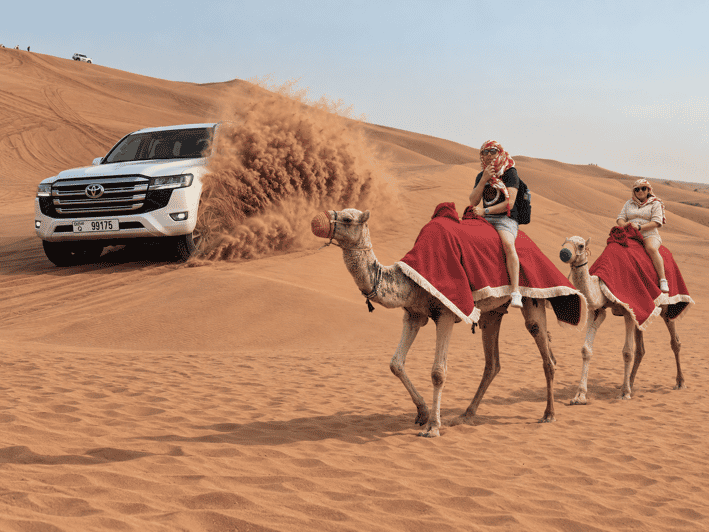
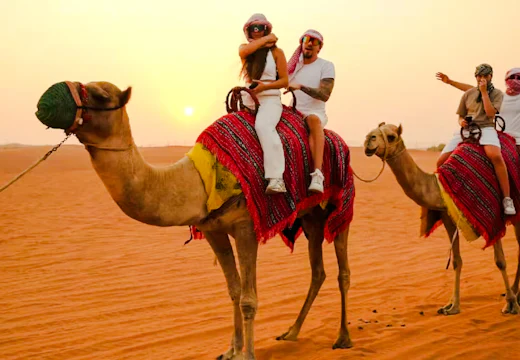
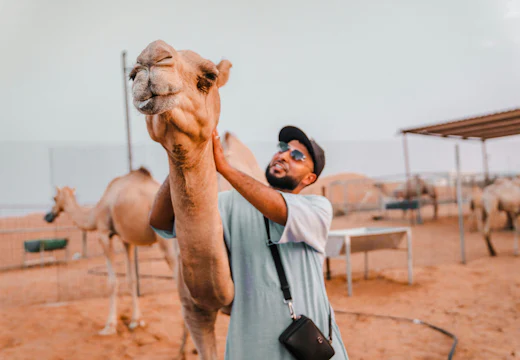
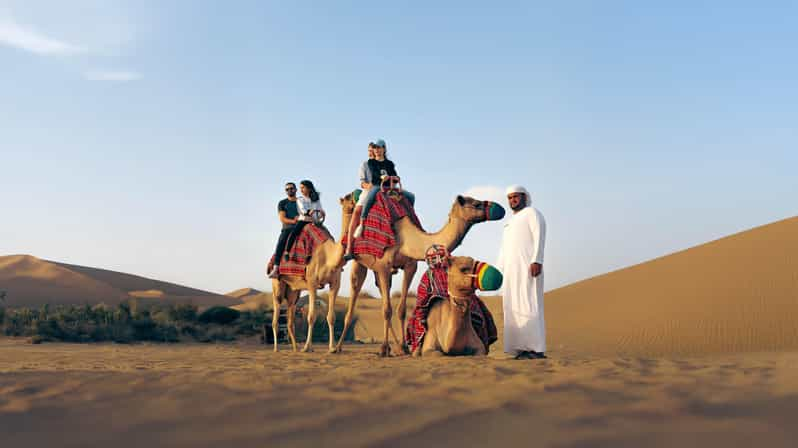
- Camel ride: trousers or a long, wide skirt make getting on and off easier.
- Hot-air balloon: warm layers for the pre-dawn wait, flat shoes for the basket and the landing.
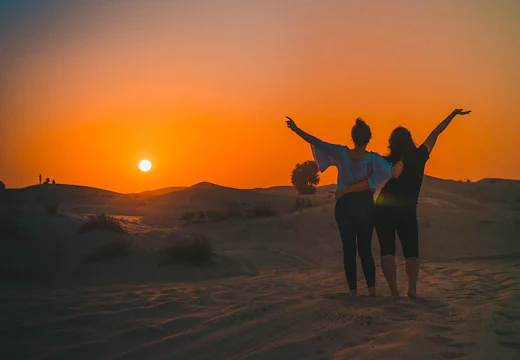
- Photoshoot: bright colours stand out against red sand, and flying-dress shoots include the dress.
Children need the same layers as adults; see family safety.